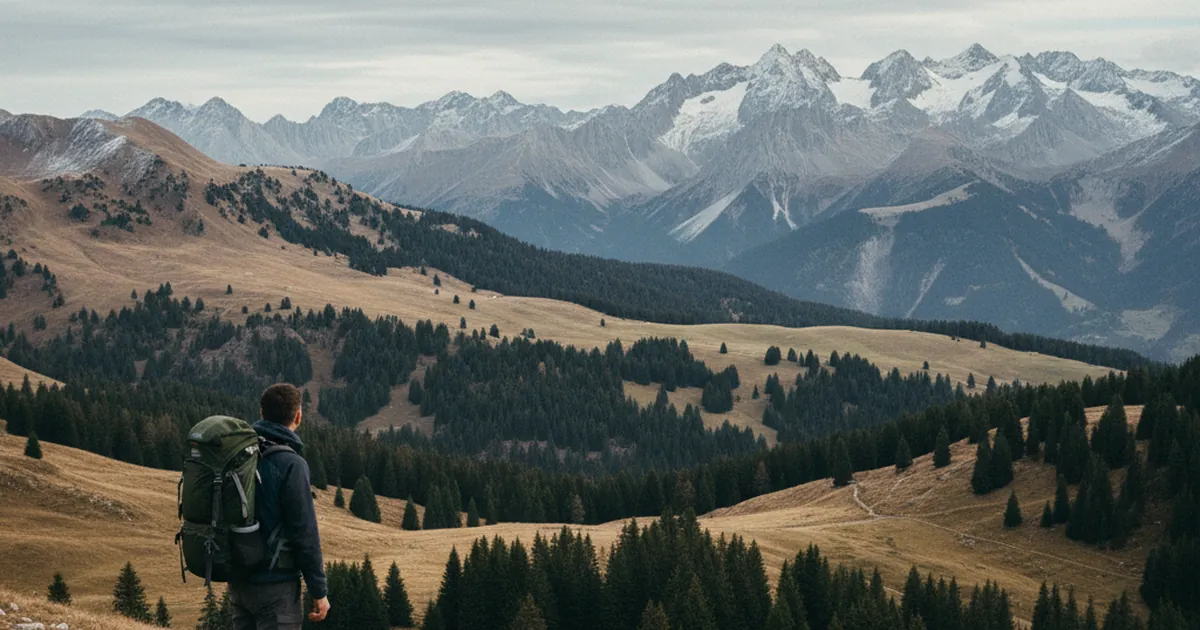
November changes everything in the mountains. Fresh snow settles on the ridgelines, refuges close for the season and high-altitude trails disappear under frost. But the hiking season doesn't end overnight. Many trails in Haute-Savoie remain accessible well into November, sometimes beyond, as long as you pick the right routes and adjust to the conditions. Hiking in November is absolutely doable: you just need to know where to go.
What closes first
By mid-October, high-altitude refuges are typically shut for the winter. Passes above 2000 metres fill with snow, often for good until the following spring. North-facing balcony trails become slippery, then icy. The high plateaus of the Chablais, the ridgelines near the Mont-Blanc massif, or the summer alpages of the Aravis are best avoided without specific winter gear once overnight temperatures drop below zero.
There's no single altitude threshold: it depends on aspect, terrain type (grass or rock), and what the weather has done in the days before. A 1500-metre south-facing trail can stay excellent in November. The same col at 1800 metres on a north-facing slope can turn dangerous by late October. Checking Météo-France's snow and weather bulletins the day before is non-negotiable.
Below 1200 metres, the season goes on
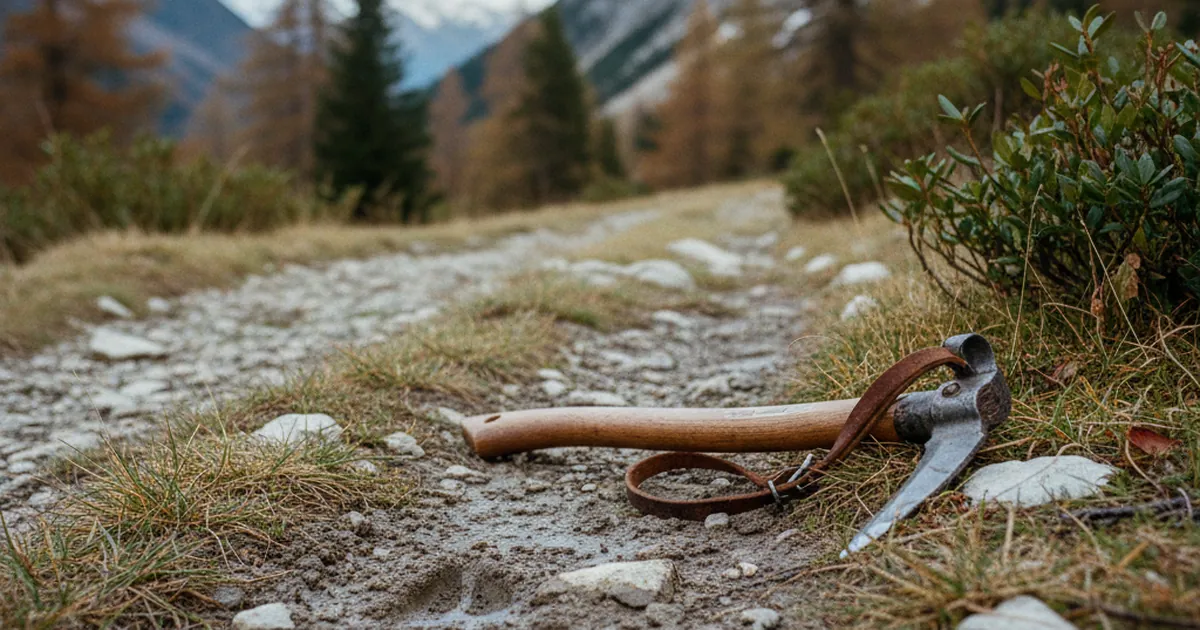
Below 1200 metres, on south-facing slopes or in wooded valley floors, the season extends easily into late November. This is also one of the most beautiful times to be out: beech trees turn rust and copper, larches glow gold on the hillsides, and the low morning light casts long shadows you simply won't find in summer. Trails are quiet, car parks empty, and the silence is complete.
The spots that work best in November are often the ones summer hikers overlook: the Bauges forests, lakeside paths around Annecy, gorges and valley floors where the elevation gain stays manageable. These aren't improvisations; they're genuine mountain experiences, just at a quieter register than the summer crowds.
The Bauges and Lake Annecy in late season
The Bauges massif is particularly well suited to late-autumn outings. Elevations stay moderate, beech forests hold their colours into mid-November, and visitor numbers are almost nil. The Figlia from Allèves is a solid example of a route that stays walkable late in the season. Setting off from Allèves, the trail is well-marked, the ascent gradual, and the panorama over Lake Annecy from the ridge is well worth it even under a grey autumn sky.
Even more accessible, the shores of Lake Annecy and the paths ringing its villages stay hikeable into December without any special gear. The Maisons de Duingt loop from Duingt gives you lake views with snow-dusted Bauges ridges in the background, a classic off-season atmosphere. The autumn light over the water in the morning is among the finest you'll find anywhere in the Annecy-Bauges area.
November-specific precautions
November shrinks the daylight window sharply. In the mountains, you can be walking in near-darkness before 5:30pm. A few habits make all the difference:
- Start early, before 9am if possible. The day is short: don't waste the good light.
- Pack a headlamp even for a short outing. Dense forest gets dark faster than open ridges.
- Check the forecast the evening before: a November front can turn a dry trail into a muddy mess within hours.
- Expect slippery ground: wet leaves on roots, damp rocks, and clay paths can be treacherous. Trekking poles are a genuine help at this time of year.
- Let someone know your planned route and expected return time, especially if you're heading out alone.
Exploring the trails of Haute-Savoie in November asks for a bit more preparation, but it rewards those who make the effort. The off-season mountain has a density, a silence and a quality of light that July hikers simply don't know.
So, how late is too late?
In practice, the sensible cutoff for hiking without winter gear in Haute-Savoie is around mid-November for low-altitude routes. After that, conditions become too unpredictable to plan reliably in advance. The first two weeks of November are generally fine. December is a different story: snow can fall at 600 metres and change everything overnight.
The season winds down, but not all at once. If you like empty trails, cold November light and paths that nobody else is walking, this is exactly the right moment to explore the quieter corners of the Bauges or the lake shore before winter locks everything down. Leave early, bring crampons if you're heading to altitude, and be back before dark.