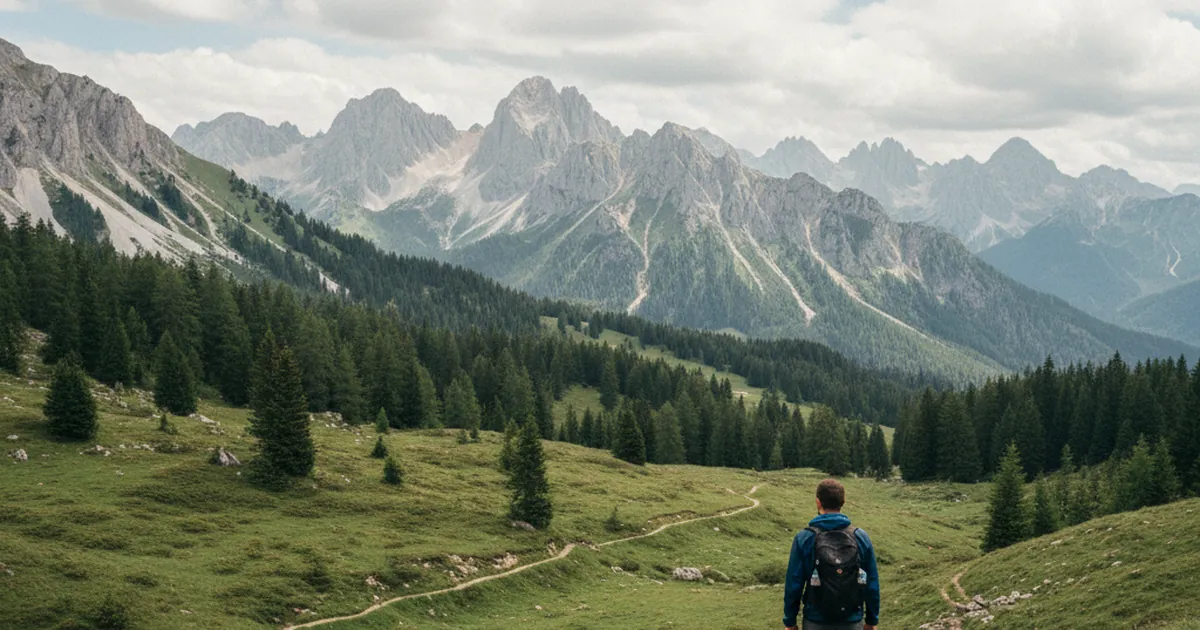
Solo hiking is an experience like no other. The freedom to set your own pace, stop whenever you want, and find yourself alone on a ridge trail or in a quiet mountain pasture. But hiking in Haute-Savoie on your own requires different preparation than heading out with a group. A few simple precautions are all it takes to make solo hiking genuinely rewarding and worry-free.
Plan your route before you leave
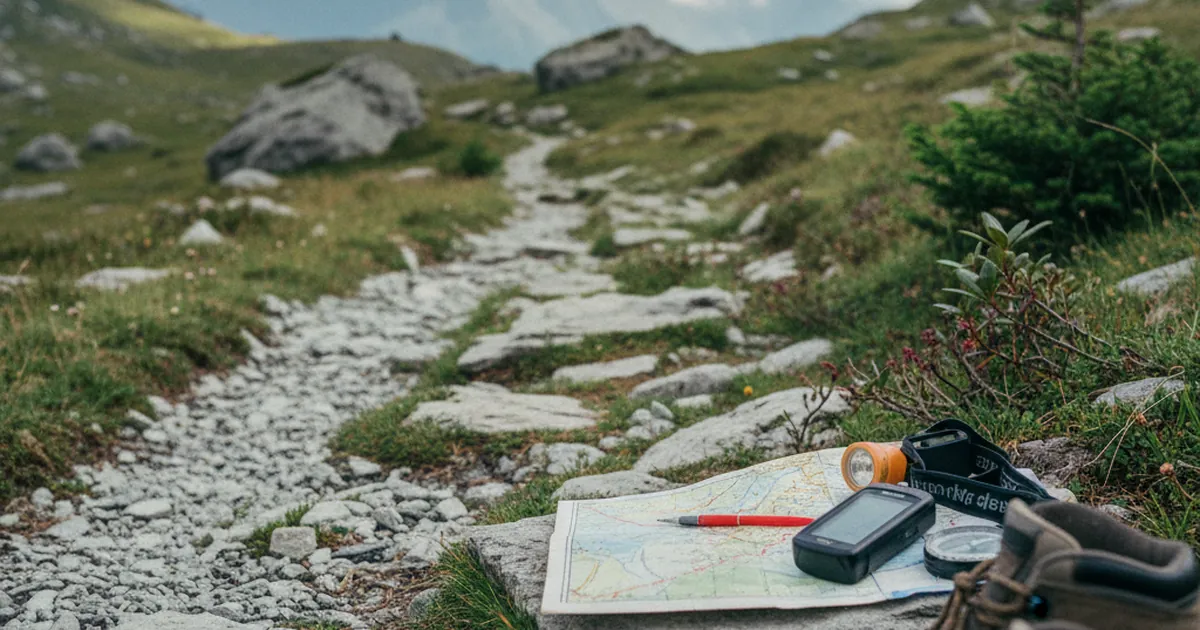
Knowing your route before taking the first step is the golden rule. Download an offline map (IGN Rando, Komoot or AllTrails all work well), note key landmarks like passes, mountain huts and trail junctions, and check trail conditions. In Haute-Savoie, conditions can change quickly. A trail that was clear one week may be under snow the next, especially above 1,500 m before July.
Save your GPX track and get into the habit of checking it regularly while walking, not just when you feel lost. Drifting just a few dozen metres from the marked path can lead you onto completely different terrain. Also check local mountain weather forecasts: the Météo Montagne Haute-Savoie platform covers storm and snowfall risks specifically for this region. Starting early in the morning remains the best protection against summer storms.
Tell someone: a rule too often forgotten
Before every solo outing, let someone you trust know your plans. Give them your starting point, your intended route, and your estimated return time. If you change your itinerary mid-hike, send a message. In an emergency, this information can be crucial for directing rescuers to the right area.
Also save the PGHM number (Peloton de Gendarmerie de Haute Montagne) in your phone: 04 50 53 16 89 for Haute-Savoie, or 112 from any mobile. Mobile coverage varies widely across the department. If you regularly hike alone in remote areas far from busy trails, satellite messaging devices (Garmin inReach, SPOT) are worth considering.
Gear up for solo hiking
When hiking in a group, equipment can be shared. Solo, everything depends on you. A few essentials to always carry:
- A lightweight emergency blanket, always in your pack.
- A whistle: three long blasts is the mountain distress signal.
- A basic first aid kit: antiseptic, bandage, painkillers, plasters.
- Enough water, or the means to filter it (tablets or compact filter).
- A power bank to keep your phone charged.
- A warm layer even in summer, in your bag, not in the car.
Trekking poles come into their own when hiking alone. On technical descents, stream crossings or muddy terrain, they significantly reduce the risk of a fall. And a fall with no one around can quickly become a serious situation if you are unable to get back up on your own.
Choose a route suited to your level
When hiking solo, aim slightly below your usual level, especially for your first few outings. A well-calibrated route lets you handle fatigue, unexpected weather and minor mishaps without pressure. The well-marked trails of the Aravis and Bornes massifs or the Bauges mountains offer plenty of accessible options on frequented terrain, with farms and hamlets within reach if needed.
To start solo hiking without unnecessary risk, the Valentin loop offers a well-marked and accessible trail, well suited to a first solo outing. The Cheminée Cave via Morat is an original and lightly-travelled route that is technically manageable and offers a great reward-to-effort ratio. Conversely, exposed ridges, snow routes and long remote traverses are best saved for accompanied outings, unless you have solid experience on this type of terrain.
Handling the unexpected alone on the trail
A knee that gives out, fog that rolls in, a trail that fades into tall grass: solo, these situations call for clear thinking. The natural instinct is to speed up, to look for a quick fix. That is precisely when mistakes get made. Take the time to sit down, look at the map, drink some water before deciding what to do next.
Turn back without shame. The trail will still be there next week. Heading back is never failure, it is a smart decision. Stay on the marked trail: if you lose your bearings, retrace your steps to the last known landmark, without improvising shortcuts through the forest. And if you are stuck, a phone with active GPS location helps rescuers find you more easily if the alarm is raised from outside, even in areas with no mobile signal.
Well prepared, solo hiking is one of the richest experiences the mountains have to offer. It demands attentiveness, body awareness and the ability to move at your own pace. Whether you are exploring the quiet paths of the Chablais, the peaceful pastures above Bellevaux or the lesser-known trails around Onnion: prepare well, let someone know, gear up properly. And enjoy every step of the way.